
Paraguayan designation of origin
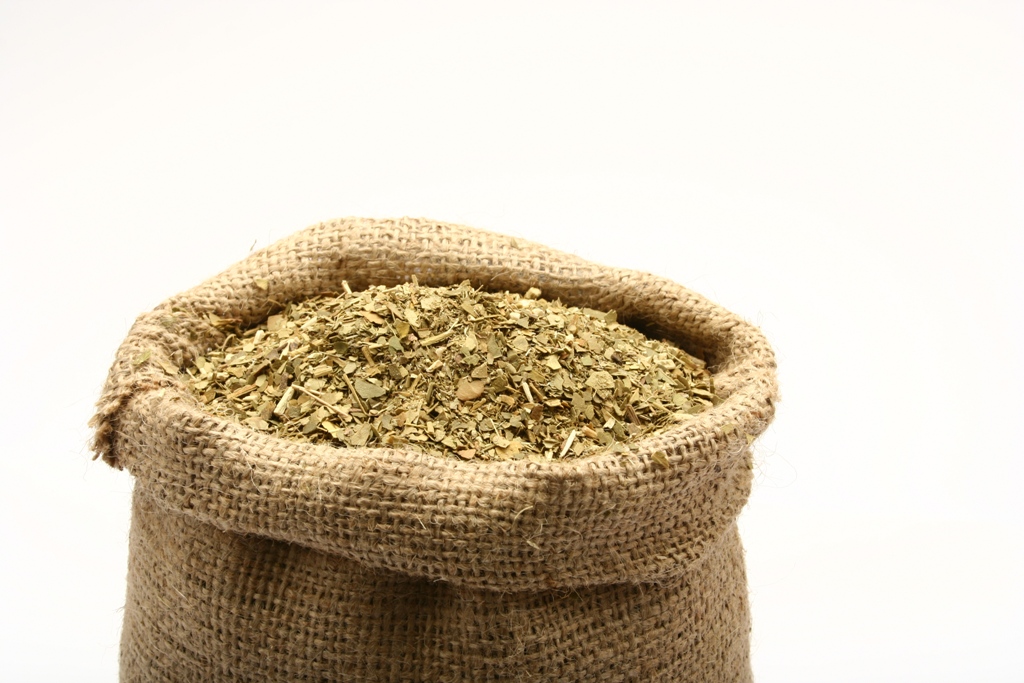
Our ancestral sweet herb, ka’a he’ê, will receive its designation of origin this Friday, August 10th , granted locally by the National Directorate of Intellectual Property (Dinapi). “It’s like giving a product a birth certificate, proving that it is Paraguayan,” said Juan Barboza , head of Capaste. Regarding the granting of this certification to Paraguayan stevia, Barboza noted: “Actually, this will be the first Paraguayan product with a designation of origin. We’ve been working on it for over six years, and now it’s finally going to happen.” When asked why it hadn’t been released sooner, the leader replied: “That’s the big question. But thanks to the patriotism of the current (interim) Minister of Agriculture and Livestock, Mario León , it will finally become a reality, because otherwise we could have waited many more years.” When asked about the implications of having this certification, the head of Capaste emphasized that a product with a designation of origin is recognized and has a distinct value in the international market because it inspires consumer confidence. “The multiplier effect for a product to have a designation of origin is enormous,” he stressed. Barboza highlighted that three years ago he was in Brussels (Belgium) to talk with the European Union authorities about this issue, and that the Europeans are waiting for ka’a he’ê to have its local designation of origin to be registered in the records of the relevant EU institution. CHARACTERISTICS Ka’a he’ê is a plant native to Paraguay that, in its early days, was only valued economically for its sweetening power: it is 300 times sweeter than cane sugar. Today, it is also used in agricultural production, which increases its market value and opens up a wider range of applications. It has been botanically classified as Stevia rebaudiana Bertoni . It is a plant native to Paraguay, where its natural habitat extends throughout the departments of Amambay, Alto Paraná, and other areas. It is fast-growing, herbaceous, and its life cycle tends to last for several years in its natural breeding environment.